
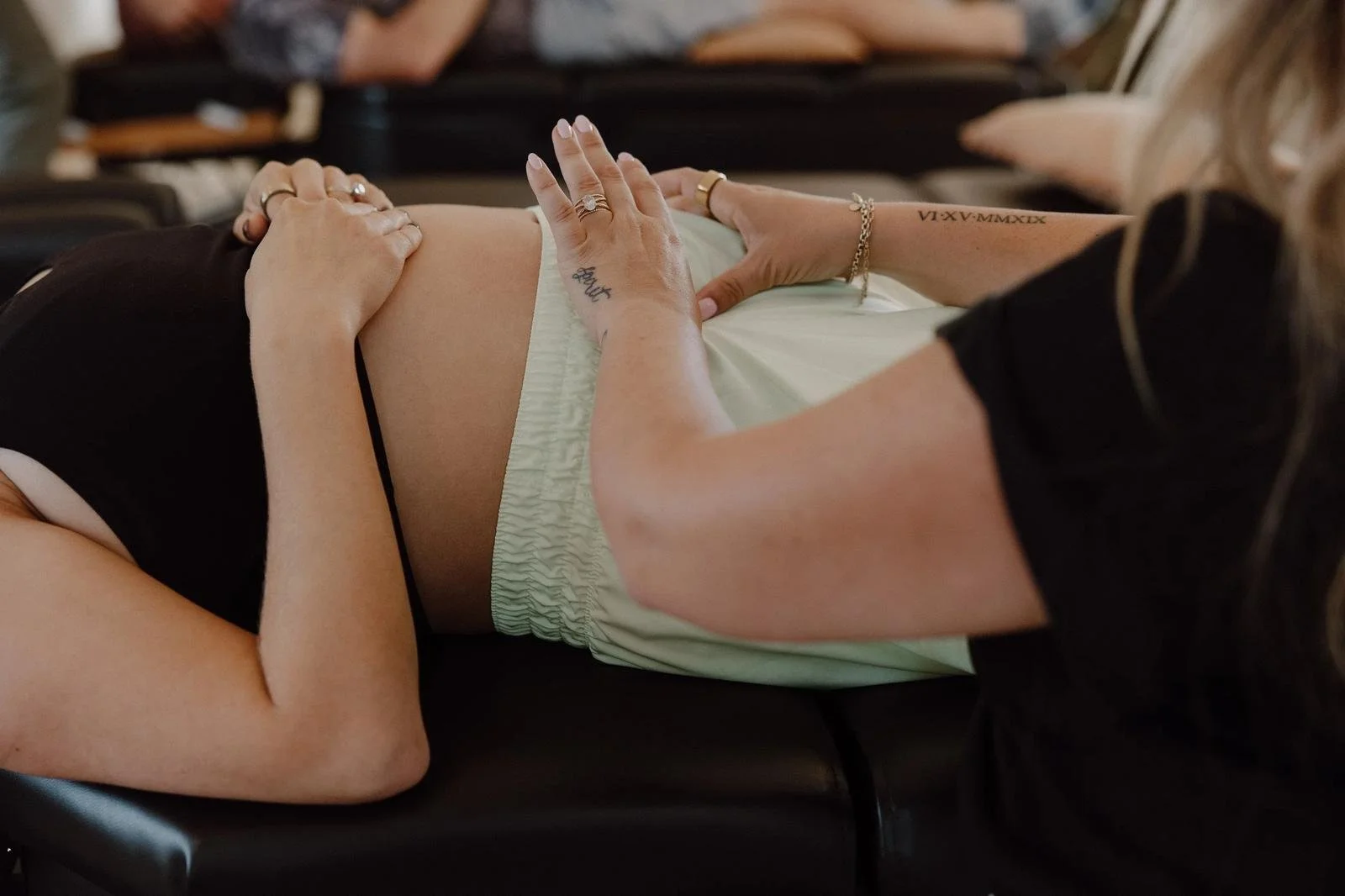
SPD Treatment During Pregnancy in Tulsa — Relief for Symphysis Pubis Dysfunction

It feels like your pelvis is splitting apart. Getting out of bed hurts. Climbing stairs brings tears to your eyes. Rolling over at night sends sharp, stabbing pain through the front of your pelvis.
This is Symphysis Pubis Dysfunction (SPD), and you are not being dramatic. SPD affects approximately 1 in 35 pregnant women, and the pain can be genuinely debilitating. At Free Spirit Chiropractic, our prenatal chiropractors help Tulsa-area mothers find real relief through safe, gentle, pregnancy-specific chiropractic care.
What Is SPD?

The pubic symphysis is the cartilage-filled joint at the front of your pelvis where the two pelvic bones meet. During pregnancy, the hormone relaxin softens this cartilage and loosens surrounding ligaments to create flexibility for delivery. In some women, this loosening creates excessive instability, inflammation, and significant pain.
Common SPD symptoms include:
Sharp, stabbing pain at the front of the pelvis over the pubic bone
Pain radiating to the lower abdomen, groin, inner thighs, or lower back
Grinding, clicking, or popping in the pelvis with movement
Significant pain when walking, climbing stairs, or standing on one leg
Pain rolling over in bed or transitioning from sitting to standing
A "waddling" gait as your body protects the painful joint
SPD can begin as early as the first trimester, though it most commonly develops in the second or third trimester. Contributing factors include hormonal ligament laxity, pelvic misalignment, weakness in the pelvic floor and adductor muscles, and previous pregnancy or birth history.
How Chiropractic Care Helps With SPD
Research published in The Journal of the Canadian Chiropractic Association found that conservative chiropractic management reduces pain, increases mobility, and improves function for pregnancy-related SPD.
Pelvic Alignment
Using the Webster Technique and other pregnancy-safe methods, we restore proper balance to the sacrum and sacroiliac joints. When the posterior pelvis is balanced, it reduces the asymmetrical forces pulling on the pubic symphysis.
Pubic Symphysis Techniques
We have different techniques such as use gentle pelvic blocking — wedge-shaped supports placed under specific points of the pelvis — to reposition the joint using your body's own weight, along with specific light force or instrument assisted adjustments that deliver precise corrections with minimal force.
Home Support
We provide guidance on sleeping positions (pillow between the knees), movement modifications ("move as a unit" when getting in and out of bed), pelvic stabilization exercises, and supportive BIRTHFIT recommendations. We can also use KT tape to help manage discomforts.
Soft Tissue Therapy
Targeted work on the round ligaments, adductor muscles, and pelvic floor reduces muscular tension contributing to joint instability and pain.
Many women feel improvement after their very first visit, with consistent progress over a personalized care plan.
Daily Tips for Managing SPD
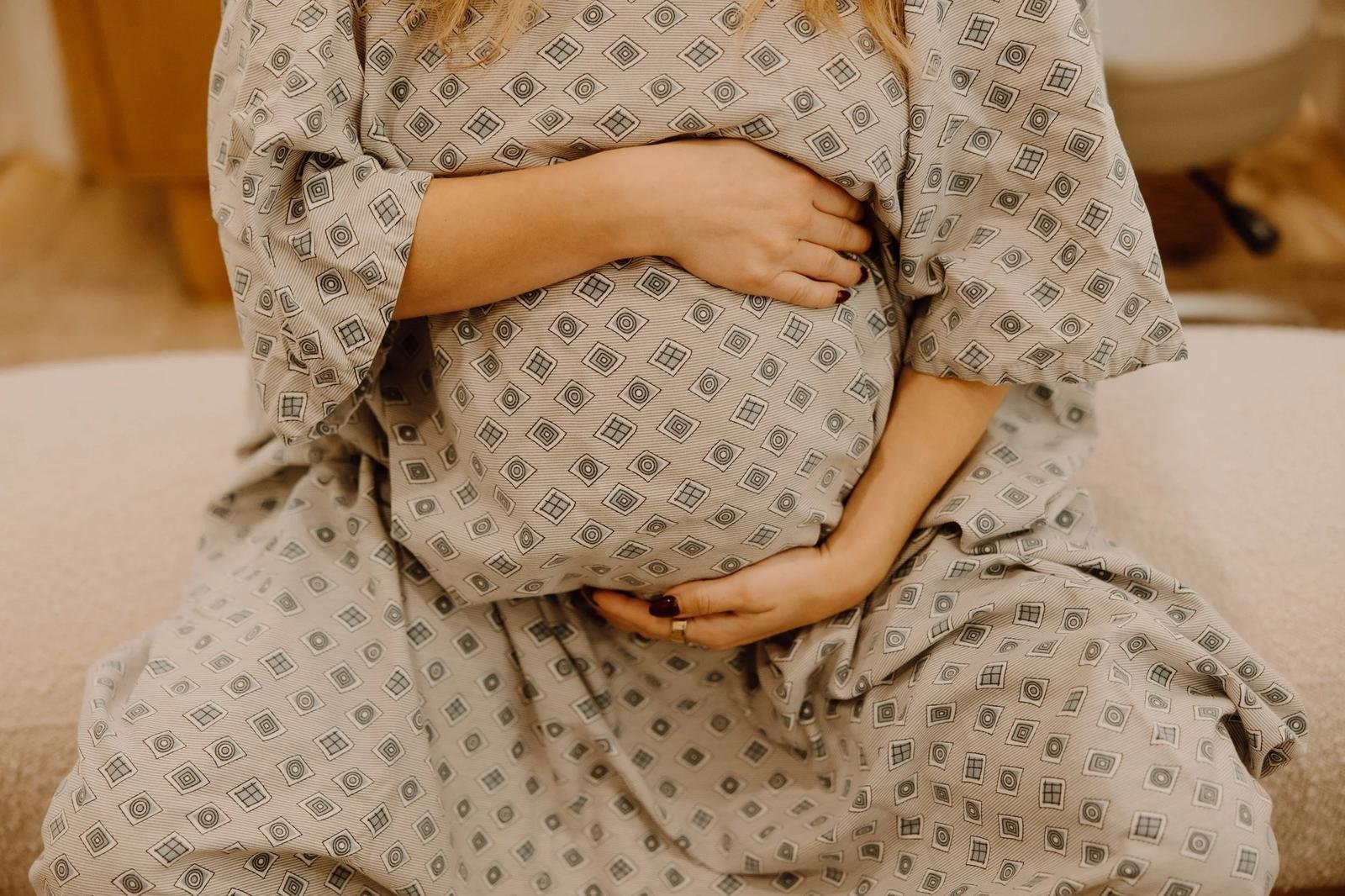
Keep knees together when getting in and out of bed, cars, and chairs
Avoid asymmetrical movements like standing on one leg or crossing legs
Stay gently active — swimming, walking, and prenatal yoga strengthen stabilizing muscles
Practice pelvic floor exercises to build deep muscular support
Use ice on the pubic area for 10-15 minutes after activity
SPD Recovery Continues Postpartum

While most women improve after delivery, some experience lingering pelvic pain. Our postpartum chiropractic care and fourth trimester support focus on restoring pelvic stability and addressing pelvic floor dysfunction.Our BIRTHFIT program supports compllete journey from pregnancy through recovery.
Find SPD Relief in Tulsa
Free Spirit Chiropractic is located at 4312 E 51st St in Tulsa, serving expecting mothers throughout Midtown Tulsa, South Tulsa, Brookside, and Broken Arrow.
Frequently Asked Questions
-
At any point during pregnancy. Early treatment prevents worsening as pregnancy progresses.
-
Yes. We use extremely gentle pelvic blocks and instrument-assisted techniques — never forceful manipulation. Our approach works with your body, not against it.
-
For most women, SPD improves significantly as relaxin levels normalize. Some need postpartum rehabilitation for complete recovery.
-
We do not accept insurance so that we personalize care to your needs while keeping it affordable.